
“How do scientists know a new medicine is safe before it reaches patients?”
“How are life-saving vaccines developed?”
“Can a computer really help discover the next breakthrough drug?”
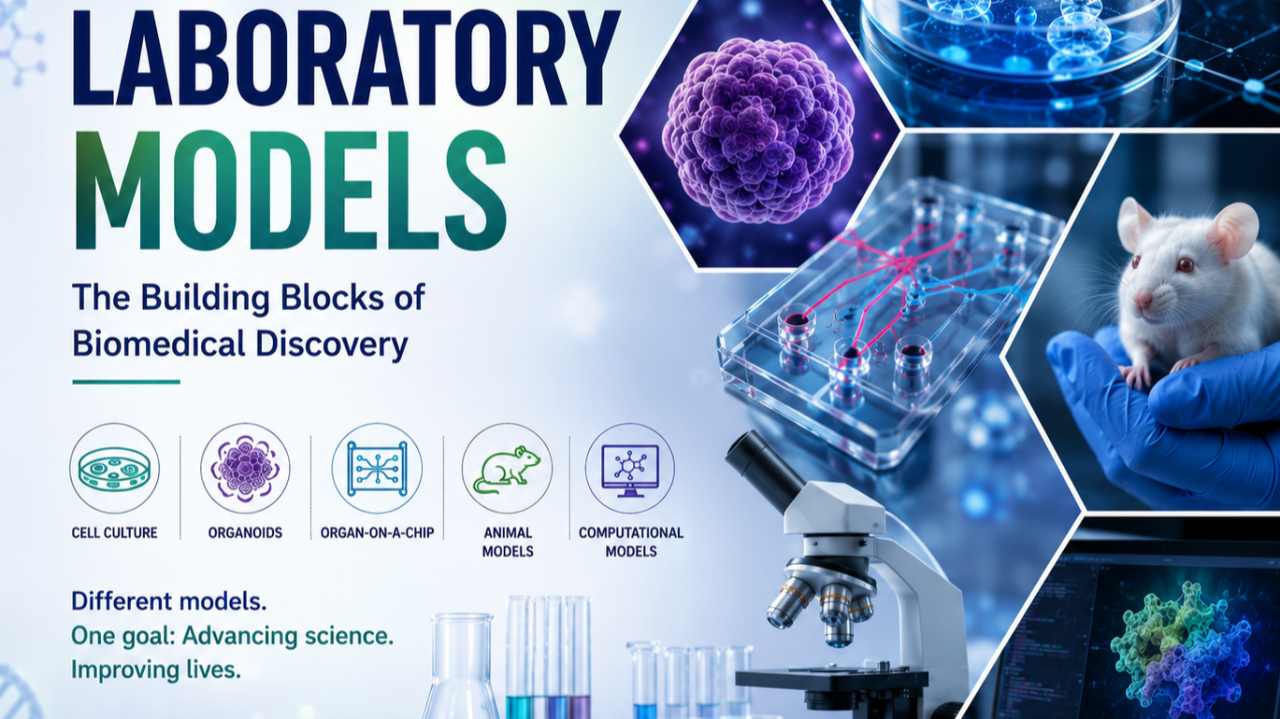
The answer to all these questions lies in one fundamental concept: laboratory models.
Every scientific breakthrough begins with asking the right question—and finding the right model to answer it. Whether it’s understanding how cancer cells grow, evaluating a new therapeutic molecule, or studying the effects of an infectious disease, laboratory models provide researchers with the tools to investigate biology in a controlled, reproducible, and ethical manner.
Far from being limited to animal studies, laboratory models encompass a diverse range of systems—from cultured cells and organoids to sophisticated computer simulations and whole-organism research. Each contributes a unique piece to the puzzle of scientific discovery.
What Are Laboratory Models?
Laboratory models are experimental systems that help researchers understand biological processes, investigate diseases, and develop new diagnostics, medicines, and therapies.
Think of them as scientific test environments—each designed to answer different questions about how living systems function.
No single model can replicate every aspect of human biology. Instead, researchers carefully select the most appropriate model—or combine several models—to generate robust, reliable, and meaningful scientific evidence.
The Different Types of Laboratory Models
1. Cell Culture Models (In Vitro)
Often the first step in biomedical research, cell culture allows scientists to study living cells in a highly controlled environment.
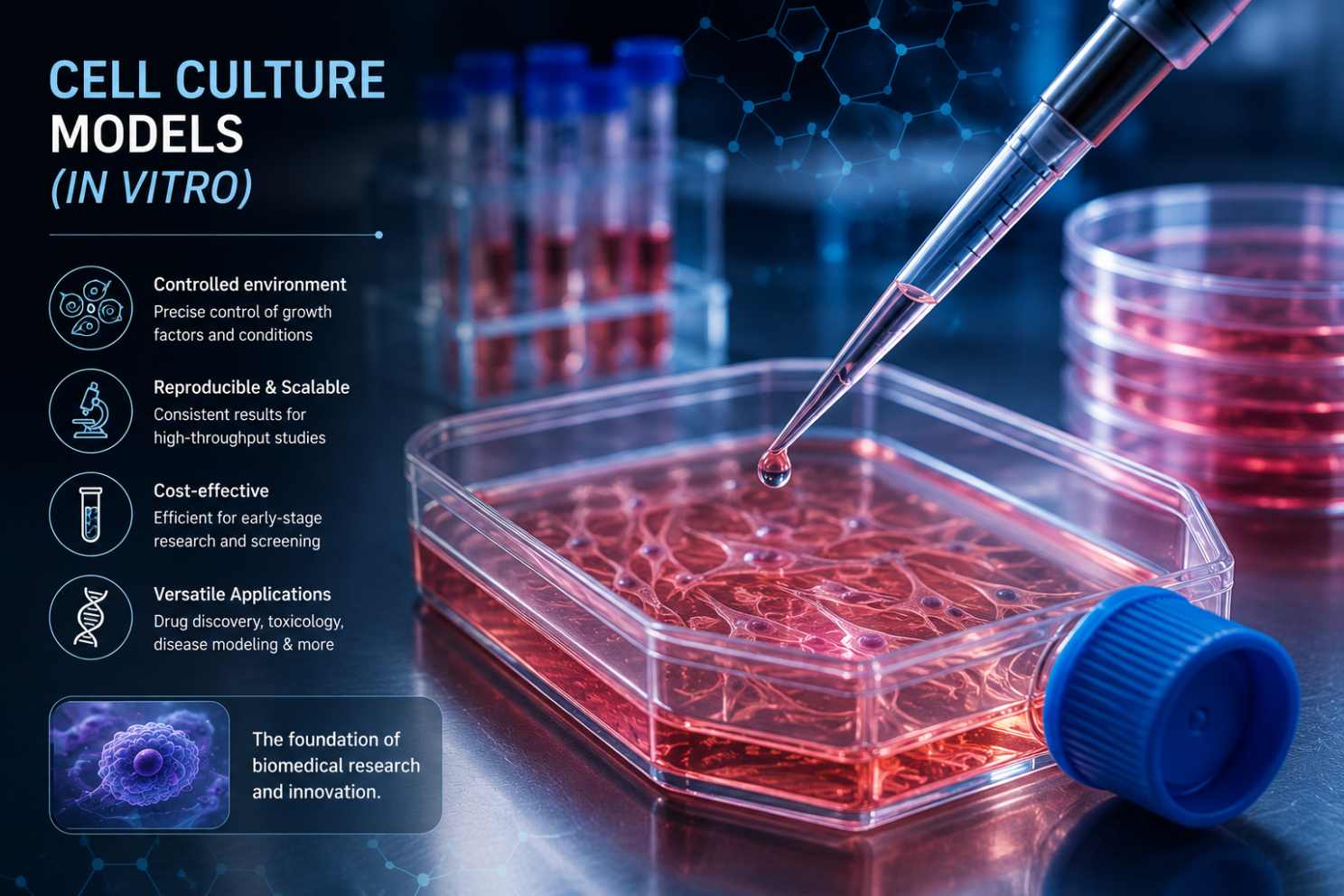
These models are invaluable for investigating:
- Cellular behaviour
- Drug responses
- Gene expression
- Molecular pathways
- Disease mechanisms
They are cost-effective, reproducible, and ideal for early-stage research. However, because cells are studied outside the body, they cannot fully capture the complexity of interactions between organs and biological systems.
2. 3D Cell Culture & Organoids
Imagine growing a miniature version of a human organ in the laboratory!
That’s exactly what organoids enable researchers to do.
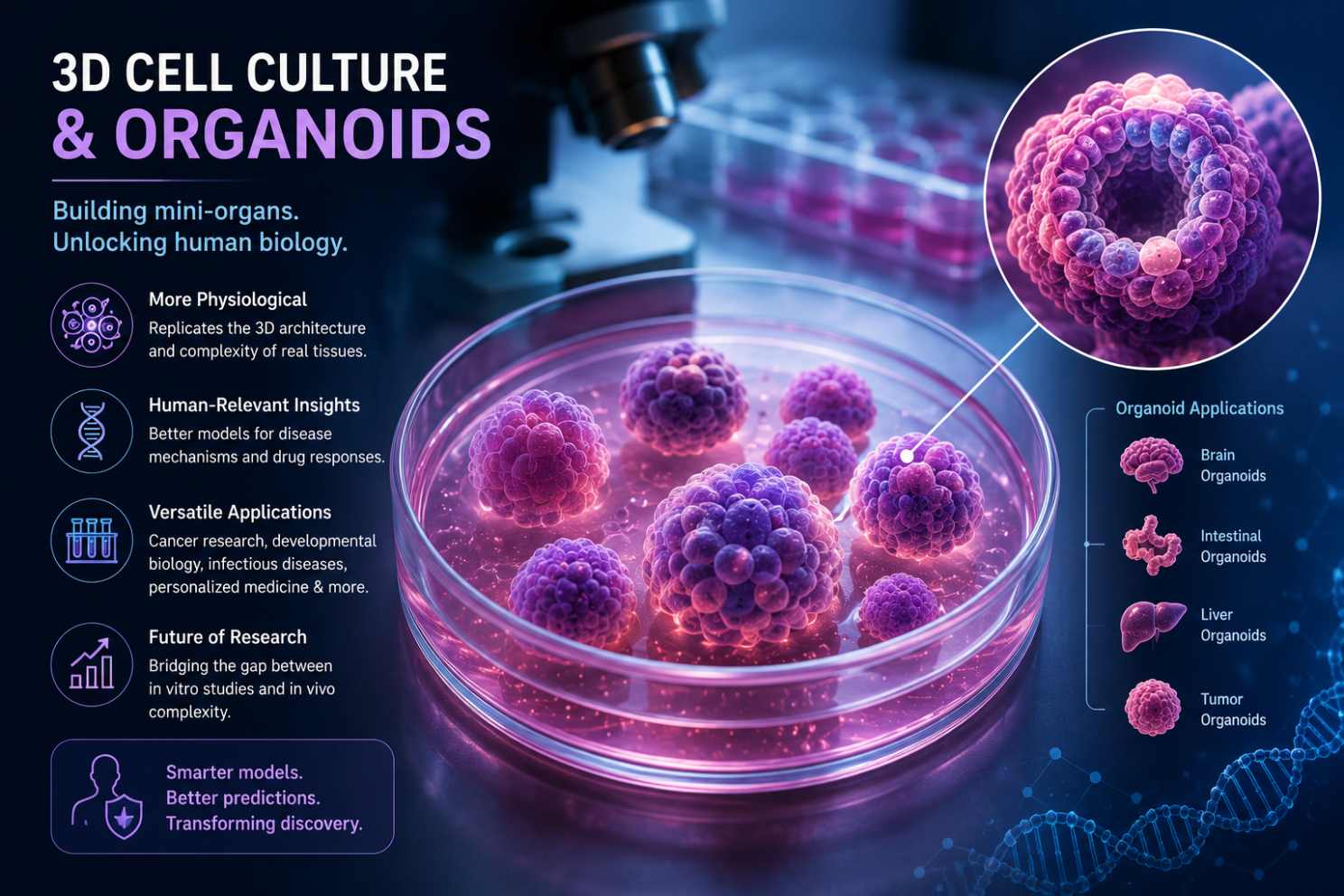
Derived from stem cells, these three-dimensional structures closely resemble real tissues, providing more physiologically relevant models than traditional cell cultures.
Today, organoids are transforming research in:
- Cancer biology
- Neurological disorders
- Infectious diseases
- Precision medicine
- Regenerative medicine
3. Organ-on-a-Chip Technology
What if a tiny microchip could mimic the function of a human lung or liver?
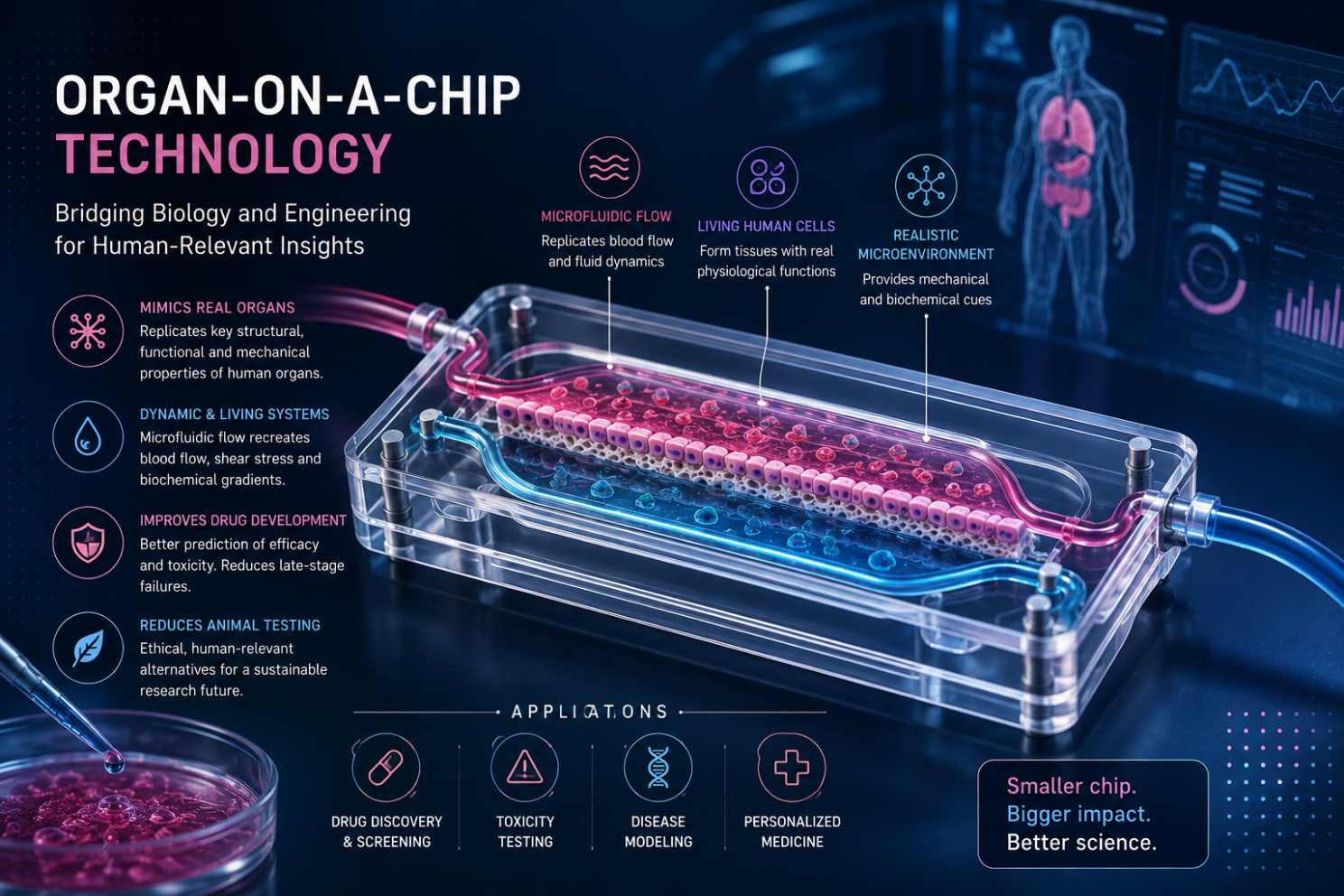
Organ-on-a-chip platforms combine living cells with microengineering to recreate aspects of human organ function, including blood flow, mechanical forces, and tissue interactions.
These innovative systems are helping researchers evaluate drug safety more accurately while reducing dependence on animal studies.
4. Animal Models (In Vivo)
Despite remarkable technological advances, some biological questions still require studying how an entire living organism functions.
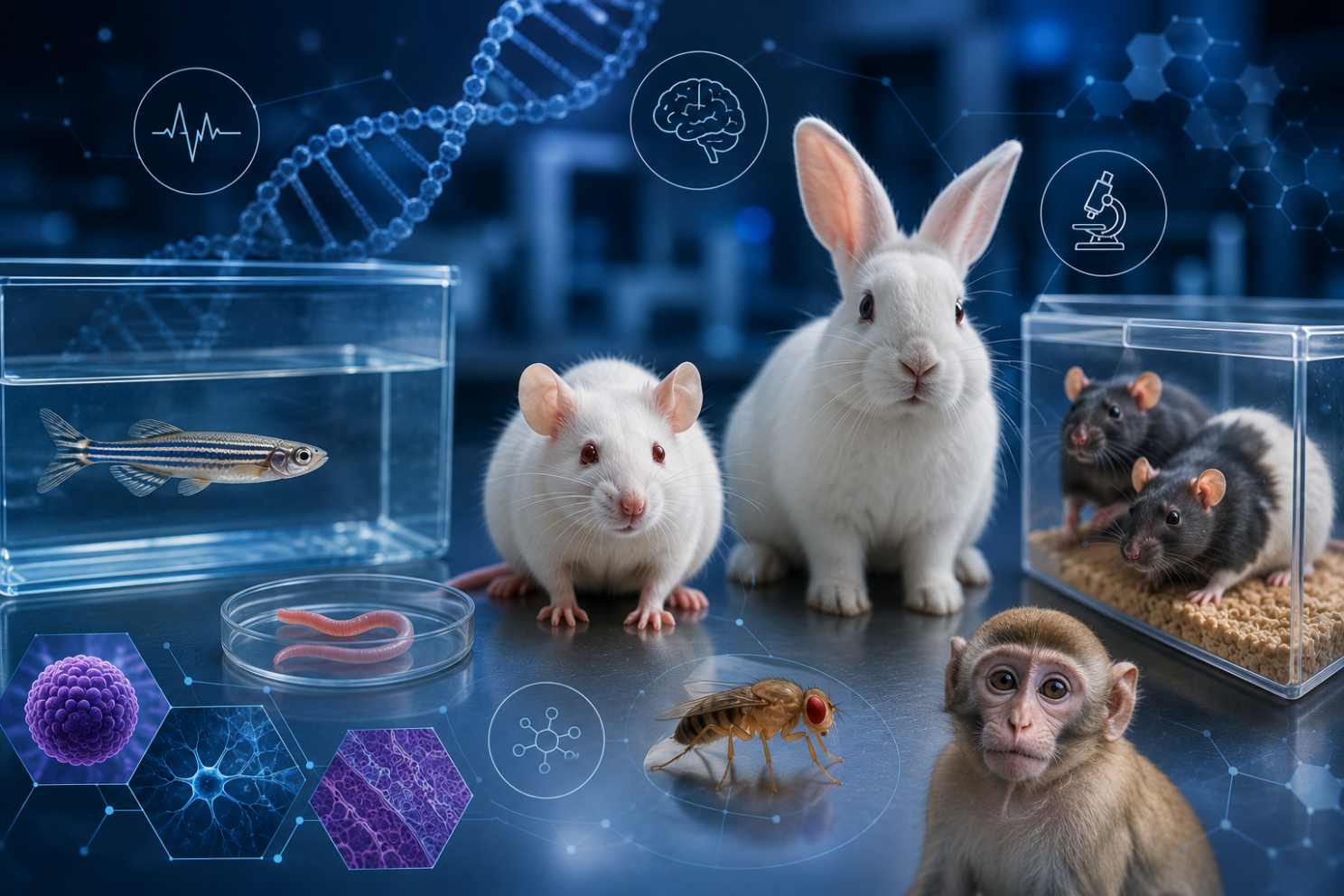
Animal models allow researchers to investigate:
- Immune responses
- Disease progression
- Drug metabolism
- Toxicity
- Organ interactions
- Physiological complexity
Importantly, modern animal research operates under strict ethical oversight and follows the internationally recognised 3Rs Principle:
- Replacement – Use alternatives whenever possible.
- Reduction – Use the minimum number of animals required.
- Refinement – Improve procedures to minimise pain and distress.
The goal is always to conduct responsible, ethical, and scientifically justified research.
5. Computational Models (In Silico)
Artificial intelligence is rapidly changing how research is conducted.
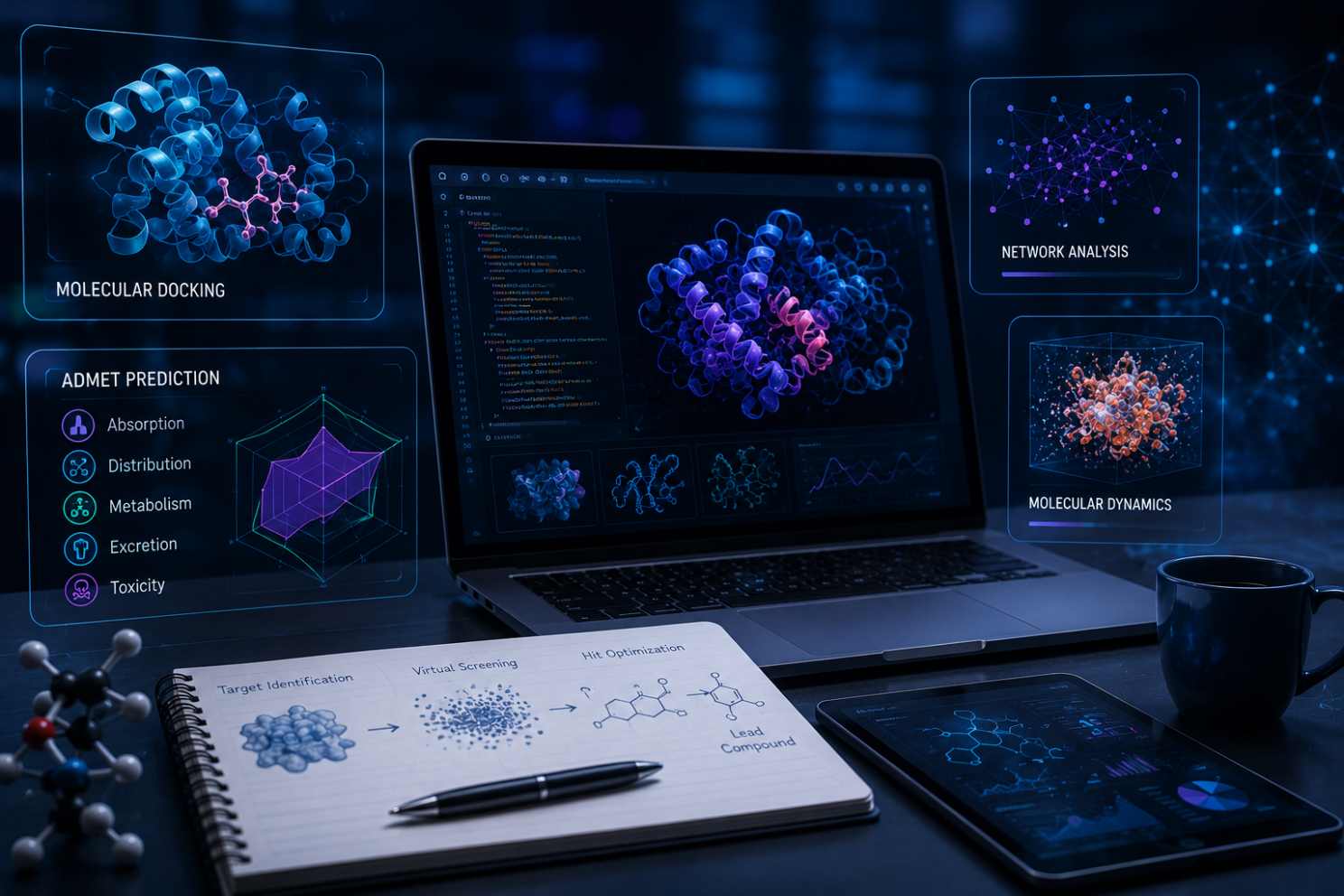
Using computational biology, machine learning, and bioinformatics, scientists can:
- Predict protein structures
- Identify potential drug candidates
- Analyse genomic datasets
- Model biological pathways
- Optimise experimental design
Rather than replacing laboratory research, computational models make it faster, more targeted, and more efficient.
Why Scientists Use Multiple Laboratory Models
One of the greatest strengths of modern biomedical research is that laboratory models complement—not compete with—each other.
A typical research journey might look like this:
- 💻 Computer models identify promising drug candidates.
- 🧫 Cell cultures assess biological activity.
- 🧠 Organoids or organ-on-chip systems provide more realistic tissue responses.
- 🐁 Animal studies, where appropriate, evaluate whole-body effects before clinical trials.
- 👩⚕️ Human clinical studies confirm safety and effectiveness.
Each stage builds confidence in the findings while reducing unnecessary risk.
The Future of Laboratory Models
Biomedical research is entering an exciting new era.
Artificial intelligence, spatial biology, digital twins, multi-omics, advanced imaging, and microphysiological systems are reshaping how scientists investigate disease and develop therapies.
The future isn’t about replacing one laboratory model with another.
It’s about integrating the strengths of biological, computational, and engineering approaches to answer increasingly complex scientific questions more accurately, efficiently, and ethically than ever before.
Why Understanding Laboratory Models Matters
Whether you’re a student, researcher, or industry professional, understanding laboratory models is fundamental to building a successful career in life sciences.
It helps you:
- Choose the right experimental approach.
- Interpret research findings critically.
- Understand the strengths and limitations of different models
- Design more robust scientific studies.
- Contribute to ethical, reproducible, and impactful research.
As life sciences become increasingly interdisciplinary, professionals who understand how different laboratory models work together will be better equipped to drive innovation across biotechnology, pharmaceuticals, diagnostics, and translational medicine.
Final Thoughts
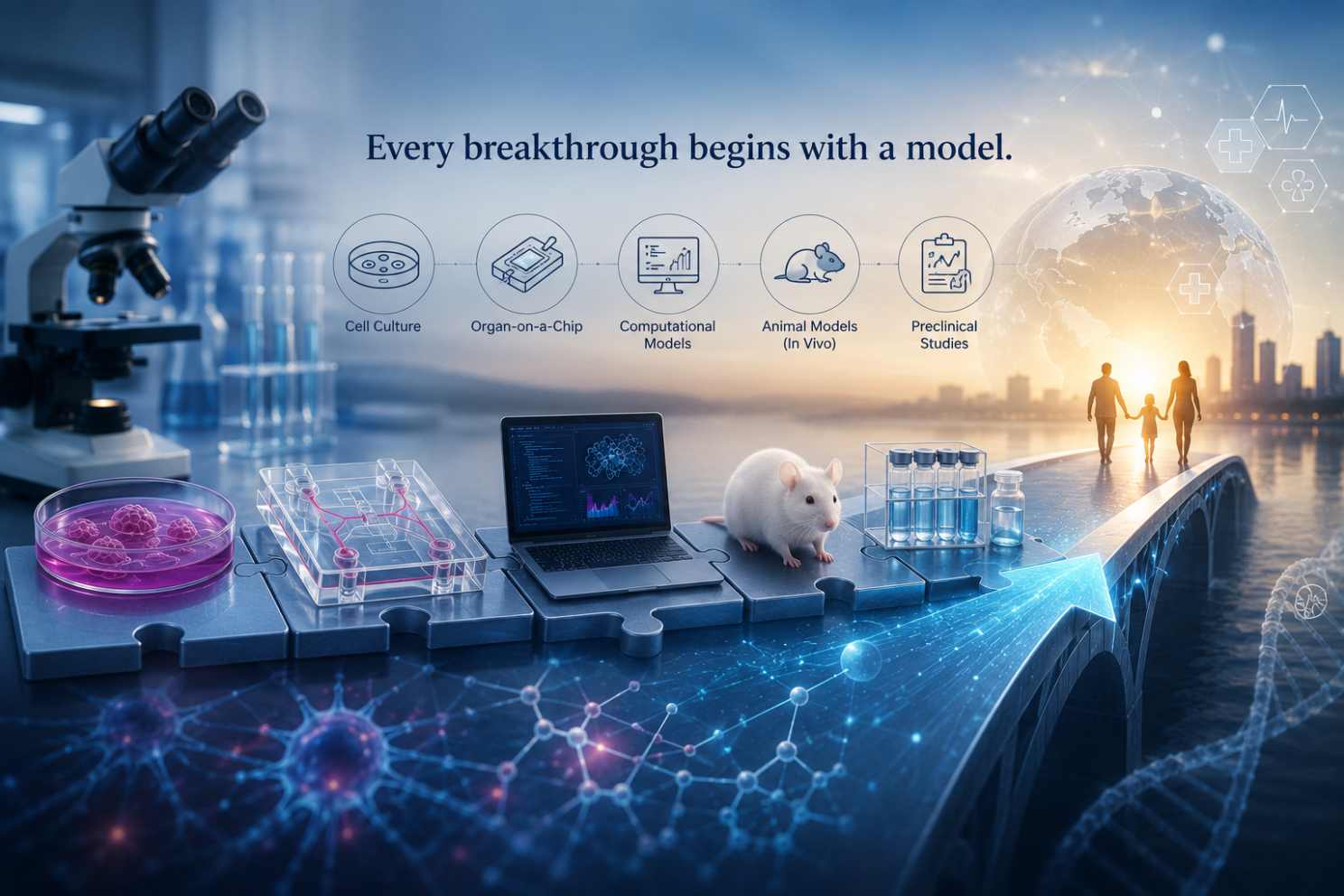
Whether it’s a cell in a culture dish, a miniature organ grown in the laboratory, a sophisticated computer algorithm, or a carefully designed preclinical study, laboratory models provide the evidence that transforms scientific ideas into real-world healthcare solutions.
The future of biomedical research lies not in choosing one model over another—but in leveraging the strengths of each to accelerate discovery, improve patient outcomes, and advance science responsibly.
Laboratory models are more than research tools—they are the bridge between scientific curiosity and life-changing innovation. Understanding them today means shaping the healthcare breakthroughs of tomorrow.